

The September 2025 Jobs Report reveals a U.S. labor market at a pivotal moment. With headline growth slowing, the data shows a clear shift away from the broad hiring of the past toward a more focused and strategic landscape. This new environment presents both challenges and opportunities. For companies and professionals who can read the signs, this is a moment to make smart, decisive moves. Understanding the details is the first step.
As your strategic talent partner, we’re breaking down the report to help you navigate what’s next.
The Big Picture: Understanding the New Landscape
The latest data from the Bureau of Labor Statistics shows a market of contrasts, where stability in some areas is balanced by a slowdown in others.
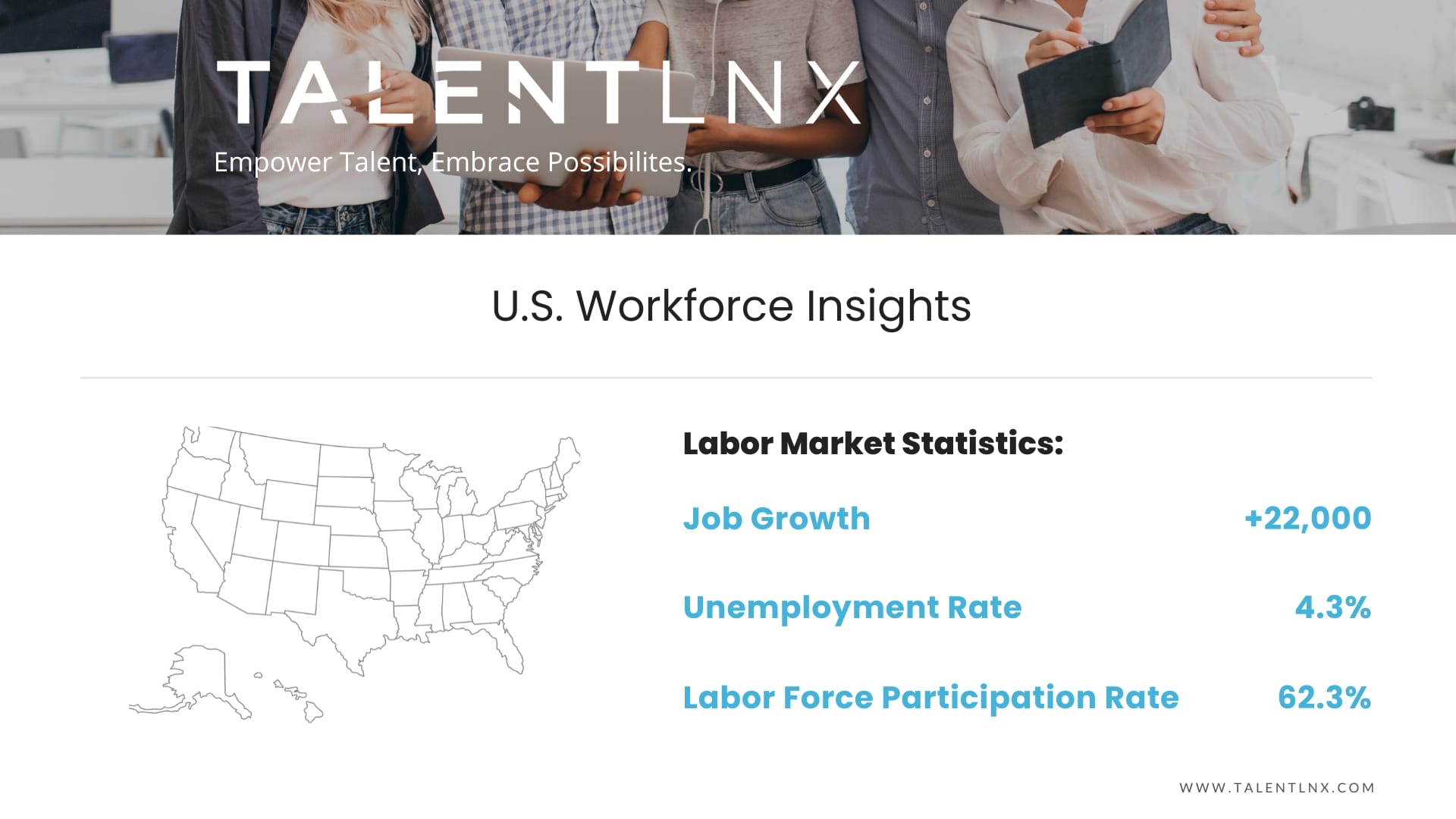
- A Shift in Hiring Pace: The economy added 22,000 jobs in August. This follows a downward revision for June (to -13,000), signaling a definitive change in momentum from the rapid growth of previous years.
- Unemployment Normalizing: The unemployment rate edged up to 4.3 percent. While a four-year high, this rate reflects a more balanced market compared to the overheated conditions of the past.
- Wages and Participation Hold Steady: The labor force participation rate remained stable at 62.3 percent, and average hourly earnings continued to grow, up 3.7 percent over the last year.
A Closer Look: Where to Find Opportunity
The report highlights a clear divergence between industries. Success now lies in knowing where to look.
- Durable Growth Sectors: Healthcare and social assistance remain the primary engines of job creation, collectively adding nearly 47,000 roles. These sectors continue to show consistent, long-term demand for talent.
- Sectors Undergoing Recalibration: Many industries, including manufacturing (-12,000 jobs) and wholesale trade (-12,000 jobs), are adjusting to new economic conditions. While hiring has paused in these areas, they are rich with experienced talent ready for their next move.
Insights into Today’s Workforce
The data provides a crucial snapshot of the current talent pool.
- Experienced Talent is Available: The number of long-term unemployed workers (jobless for 27+ weeks) stands at 1.9 million. This group represents a resilient and experienced talent pool often overlooked in a faster-moving market.
- A More Deliberate Workforce: Fewer new entrants are jumping into the job market, and a significant segment of skilled workers remains on the sidelines. This means the active candidates you meet are more intentional and committed in their job search.
What This Means for Employers
- Focus on Strategic Hires: Now is the time for quality over quantity. Instead of casting a wide net, focus on the key roles that will drive your business forward. Every hire should be a strategic investment.
- Tell a Compelling Story: In a selective market, the best candidates choose companies that offer stability and a clear vision. Your mission and culture are your most powerful recruiting tools.
- Build Your A-Team: With less turnover, you have a unique opportunity to invest in your current employees. Focus on internal mobility and development to create a resilient, engaged, and highly skilled team.
What This Means for Job Seekers
- Make Your Next Move Count: This is a market that rewards clarity. Focus your search on industries with proven demand and roles that align perfectly with your core strengths and long-term goals.
- Highlight Your Impact: Companies are hiring to solve specific problems. Tailor your resume and interview approach to show exactly how you can deliver value and results from day one.
- Position Yourself for Growth: Use this time to your advantage. Invest in skills, earn certifications, and network with purpose. The professionals who prepare today will be the leaders of tomorrow.
Your Partner in Navigating What’s Next
A changing market isn’t something to fearit’s something to prepare for. With the right strategy, companies can find transformative talent and professionals can secure career-defining roles. We are here to provide the insights and connections to help you succeed in any environment.